


Hiba Wild Essential Oil - Hibawood
- Regular price
-
¥5,280 - Regular price
-
- Sale price
-
¥5,280
Couldn't load pickup availability
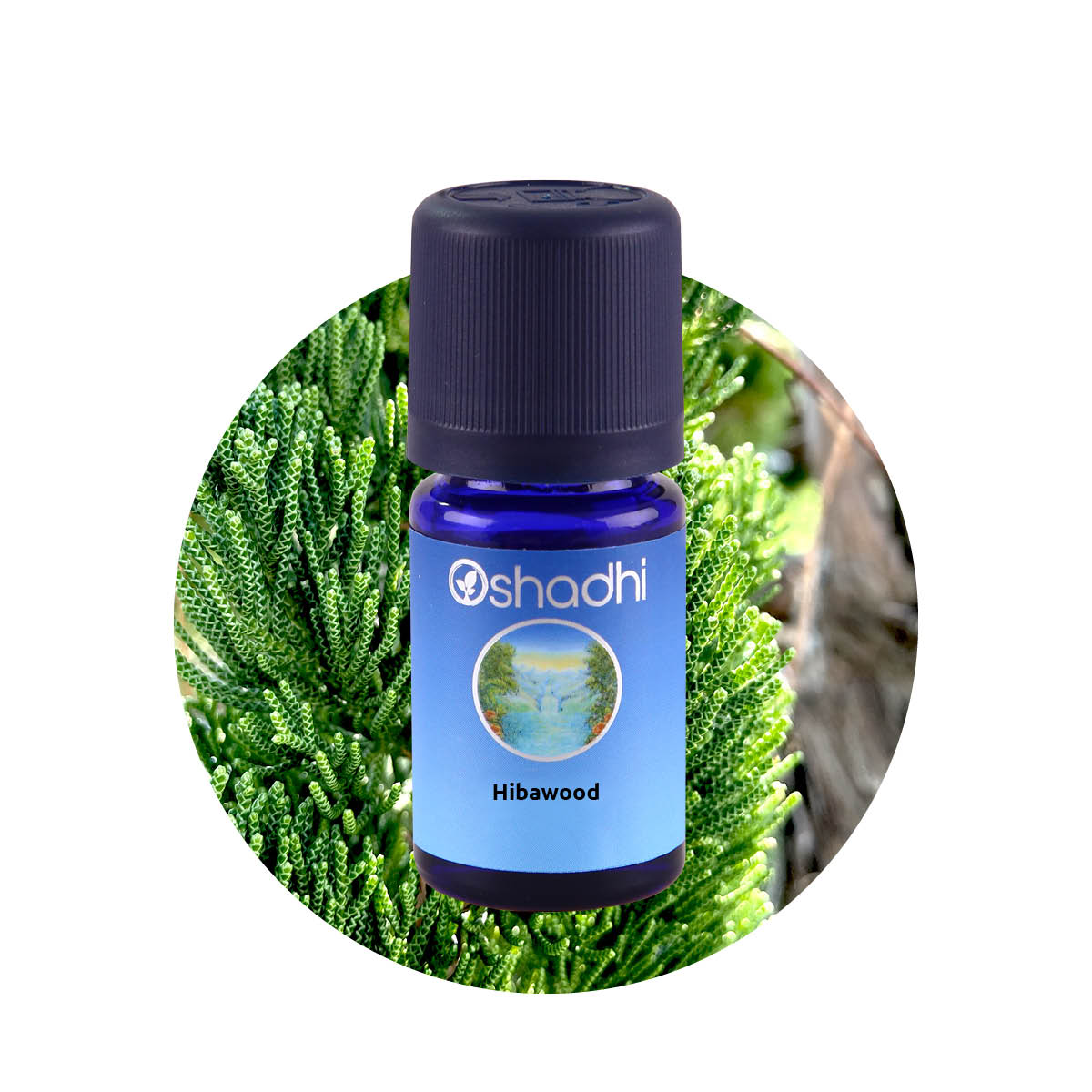
Hiba Wild Essential Oil from Oshadhi, Germany. This 5mL single-origin essential oil is extracted by steam distillation from the wood of Hiba (Thujopsis dolabrata), a coniferous tree endemic to Japan. It offers a refreshing woody scent reminiscent of cypress, with the unique depth of Hiba, creating a distinctly Japanese aroma.
Hiba: A Tree Native to Japan
Hiba (scientific name: Thujopsis dolabrata) is a coniferous tree of the cypress family that grows wild in Honshu and Hokkaido. "Aomori Hiba" from the Shimokita Peninsula in Aomori Prefecture is particularly famous, and is counted as one of Japan's three most beautiful forests. Known for its durability and unique fragrance, it has been used since ancient times for temple and shrine construction, bathtub material, and insect repellent. Alongside Hinoki (Japanese cypress), it has long been a beloved "fragrant wood of Japan."
Essential Oil Profile
- Botanical name: Thujopsis dolabrata
- Origin: Japan
- Cultivation method: Wild
- Extraction method: Steam distillation
- Extraction part: Wood
- Main components (chemotype): Thujopsene, Cedrol
- Scent note: Middle
- Scent type: Woody
About Oshadhi
Oshadhi is a German brand of the highest quality essential oils, boasting one of the most extensive product lineups in the world. Germany has a deeply rooted culture of alternative medicine (aromatherapy, homeopathy, etc.) among developed countries. Oshadhi's products are favored by medical aromatherapists and professional aromatherapists, and are distributed in 27 countries worldwide. Key features of this product:
- One of the world's leading brands in terms of essential oil product range
- Essential oils with thorough quality control
- Single-origin ingredients shipped directly from the source
- Blue glass container to protect essential oils from UV light
- A unique Oshadhi product, bottled while playing Vedic sounds
How to Use
- Use in an aroma diffuser or for aromatic bathing to bring a Japanese scent into your room. 1-3 drops are recommended for a 3-6 tatami mat room.
- Steam inhalation: A traditional method where you pour hot water into a mug, add 1 drop, and enjoy the rising aroma.
- Aroma bath, hand bath, foot bath: Mix with a carrier oil or natural emulsifier before adding to the bathwater.
- As a body oil: Dilute to 1% or less with a Jojoba carrier oil or similar.
Also Consider Other Woody Essential Oils
If you wish to compare woody scents from different regions around the world, please also consider Sandalwood from India and Palo Santo from South America. For the traditional style of burning resin directly, combine Organic Frankincense with Charcoal Tablets.
-
Hurry, only 3 items left in stock!

FAQ
Can I apply it directly to my skin?
How is it different from cypress?
What are some recommended ways to enjoy Japanese fragrances?
Why are Oshadhi essential oils in blue glass bottles?
